
Resource Person:
1. Balasaheb Khodade
Plant Head, JBMI, Pune
2. Sakshi Salunkhe
HR & Admin Executive, JBMI, Pune
Industry Profile:
1. Jai Bhawani Mata Groupof Companies was established in November 1987 by a young entrepreneur Mr. R. V. Salke (CEO) as a small-scale unit. Initially, the company supplied machined components. on a labour-charge basis with only a ½-inch drilling machine as its first piece of equipment.
2. Manufacturing Plants / Infrastructure
The group operates through the following manufacturing units:
| S. N. | Unit Name | Location |
|---|---|---|
| 1 | Jai Bhawani Mata Industries – Unit 1 | Landewadi, Bhosari, Pune |
| 2 | Jai Bhawani Mata Industries – Unit 2 | T-150, MIDC, Bhosari, Pune |
| 3 | Jai Bhawani Mata Engitech Pvt. Ltd. – Unit 1 | Plot No. 40, Sector 10, PCNTDA, Bhosari, Pune |
| 4 | Jai Bhawani Mata Engitech Pvt. Ltd. – Unit 2 | D-240, D-241, MIDC, Ranjangaon |
| 5 | Jai Bhawani Mata Stampings Pvt. Ltd. | MIDC, Chakan |
With increasing customer demand and trust, the company gradually expanded by adding modern machinery and enhancing its manufacturing capabilities. Today, JBMI has grown into a strong and reputed group with three companies and five manufacturing plants, serving both Indian and overseas markets.
3. Nature of Business
JBMI Group is a 100% manufacturing company engaged in the production of:
- Machined components
- Press parts
- Die-casting components
These products are supplied mainly to the Automotive (especially Light Commercial Vehicles), Electrical, Electronics, and Textile Machinery sectors.
The company serves both Indian and overseas markets, meeting international quality and reliability standards.
4. Major Industrial Sectors Served
- Automobile Manufacturing
- Electrical Industry
- Electronics Industry
- Textile Machinery Industry
- Power Transmission
- Agriculture Equipment Manufacturing
5. Quality & Certifications
JBMI Group follows strict quality systems and modern manufacturing practices. The company is:
- ISO Certified
- ISO / TS 16949 Certified
- Lean Manufacturing Implemented
Certificates Held
- ISO – JBMI
- ISO TS – JBMI
- ISO – JBMEPL
- ISO TS – JBMEPL
Products:
1. Shafts & Axles
- Gear Shift Shaft
- Rocker Arm Shaft
- Rocker Arm Shaft & Pin
- Main Shaft
- Rear Wheel Axle
- Drive Shaft
- Propeller Shaft
- Shaft – Reverse Gear
- Shaft – 17 Teeth
- Clutch Shaft Assembly
- Plunger Shaft Assembly
- Cam Shaft Sprocket Shaft
- Steering Pin (137235)
2. Gears & Transmission Parts
- Engine Gear
- Reverse Gear
- Speedo Drive Gear
- Sprocket Pinion
- First & Fourth Rush Gear
- Slider BD (17493 & 18673)
- Steam Gear Operating
- Gear Shifter Assembly
- Gear Speedo Drive
3. Pins, Dowels & Spacers
- Pin RC Lever Hinge
- Pin RC Gear Shift
- Pin for Jaw Fulcrum
- Idler Pin with Dowel
- Hollow Dowel
- Spacer
- Sprocket Pin
- Rocker Arm Pin
- Steering Pin
4. Clutch & Hub Components
- Cum Clutch Hub
- Clutch Shaft Assembly
- Inner Ring
- Ring Nut
- Tonner Ring (Front & Rear)
5. Engine & Gearbox Parts
- Engine Side Cover
- Gear Box Cover
- Main Housing
- Gear Shifter Housing
- Gear Shifter Assembly
- Sector Plate Assembly
- Adapter (1350)
6. Fasteners & Special Screws
Screw for Oil Filter
- Banjo Bolt
- Bolt Reverse Detent
- Screw Terminal 2140N
- Screw Terminal 330N
- Screw Terminal 100M
- Nipple
7. Speedometer & Control Parts
- Speedo Body
- Speedo Drive Gear
- Roller Guide
- Tension Rod
- Handle Bar Tag
8. Washers & Supporting Parts
- Washer
- Thrust Washer
- Adapter 1350
9. Other Assemblies
- Sector Plate Assembly
- Gear Shifter Assembly
- Plunger Shaft Assembly
Objective/Purpose:
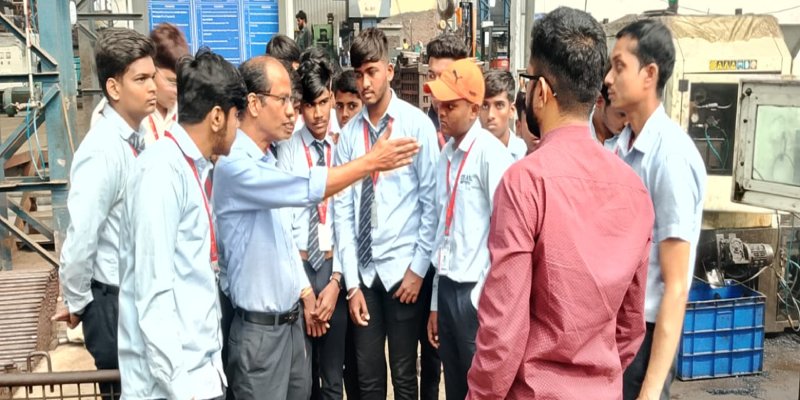
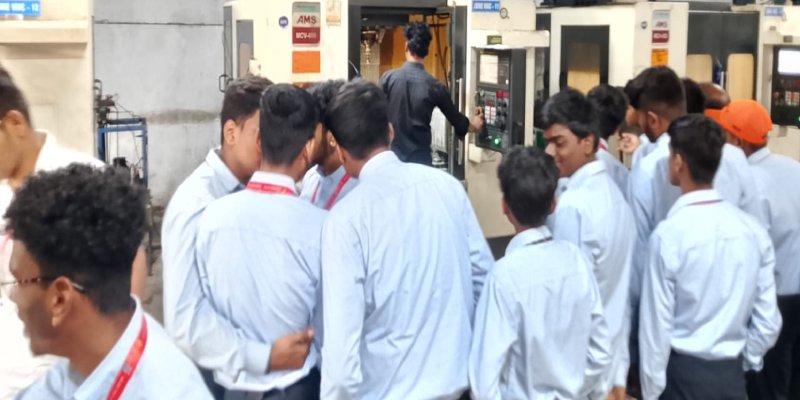
- To study the manufacturing processes used in producing automobile components such as shafts, gears, axles, and clutch parts.
- To understand the application of machining operations like turning, milling, drilling, grinding, broaching and CNC machining.
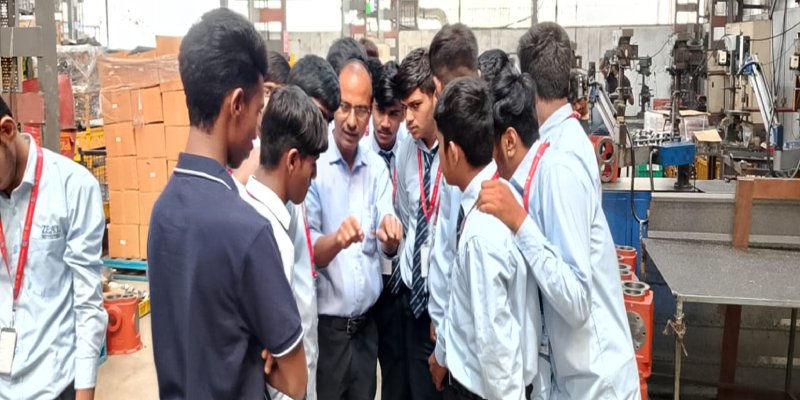
- To observe the use of jigs, fixtures and cutting tools in improving accuracy and productivity.
- To learn about process planning and routing followed in a real industrial environment.
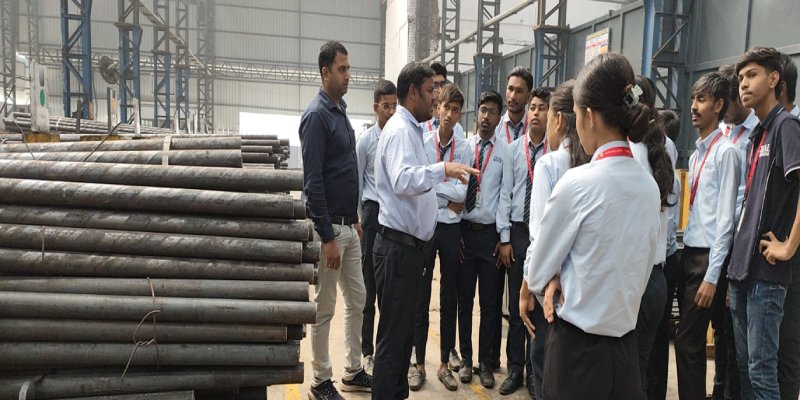
- To study the material flow from raw material to finished product including inspection, storage and dispatch.
- To understand the role of heat treatment, surface finishing and coating in improving component life and performance.
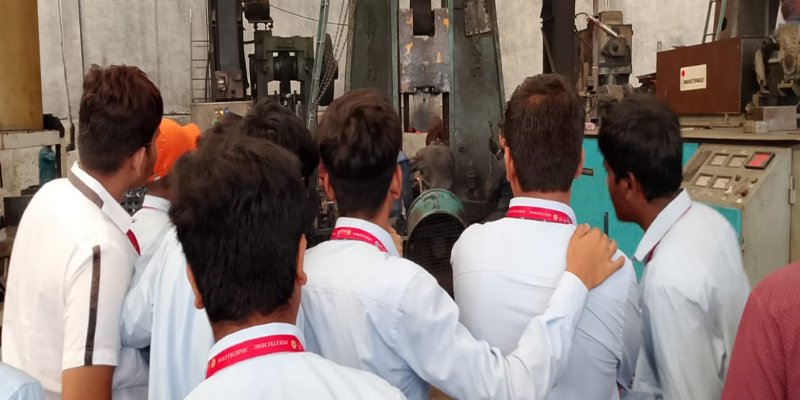
- To observe the press working and die casting processes used for automotive components.
- To learn about quality control techniques used during different stages of manufacturing.
- To understand the importance of interchangeability and standardization in mass production.
- To study Lean Manufacturing and ISO/TS quality systems implemented in the company.
- To gain exposure to modern manufacturing practices used in automotive component industries.
- To correlate theoretical knowledge of manufacturing technology with practical industrial operations.